Genres Book Spine Label, Library Sticker for Classroom Organization
Managing a classroom library can be a challenge, especially when trying to keep books organized and accessible. Genres Book Spine Labels and Library Stickers offer a practical solution that helps educators maintain order while making it easier for students to find what they're looking for. These labels are more than just decorative; they play a key role in streamlining library management and supporting literacy initiatives.
Understanding the Role of Book Spine Labels in Library Management
Book spine labels serve as visual markers that categorize books by genre or subject. This makes it easier to locate specific titles and ensures that books are returned to their correct places. For teachers and librarians, this means less time spent searching for misplaced books and more time focusing on instruction and student engagement.
These labels fit into a broader workflow that includes cataloging, organizing, and maintaining a functional library space. Whether you're setting up a new classroom library or reorganizing an existing one, spine labels help create a structured environment that supports learning and independence.
How Genres Book Spine Labels Enhance Classroom Workflows
Integrating genres-based spine labels into your library setup can improve several aspects of classroom management. Before starting, take time to plan which genres will be most relevant to your students. Consider the reading levels, interests, and curriculum needs of your class. This preparation ensures that the labels align with your educational goals.
During the organization process, use the labels to sort books into categories such as Science Fiction, Non-Fiction, or Mystery. This step-by-step approach helps maintain consistency across the collection. After labeling, encourage students to return books to their designated sections, reinforcing responsibility and organizational skills.
Choosing the Right Design and Format for Your Needs
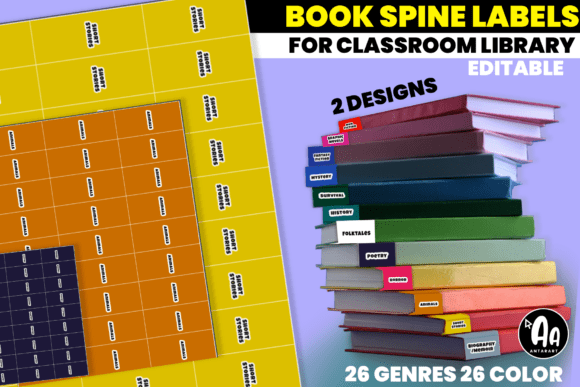
The Genres Book Spine Label set includes two design options, allowing flexibility based on personal preference or classroom aesthetics. Whether you prefer bold, colorful labels or more minimalist styles, there's a design that fits your needs. The file types provided—PNG, PDF, and SVG—ensure compatibility with various printing and digital tools.
For educators who want to customize the labels further, the editable format offers additional control. This feature is particularly useful for adapting labels to specific grade levels or integrating them with other classroom materials.
Key Features of the Genre Label Set
- 26 Genres: Includes categories like Survival, Science, History, Mystery, and more.
- Two Design Options: Choose between different visual styles to match your library’s theme.
- Editable Files: Customize labels to suit your specific requirements.
- High Visibility: Bold, colorful designs ensure easy identification on book spines.
Integration with Other Library Tools and Methods
Genres Book Spine Labels work well with other library management tools such as cataloging systems, check-out logs, and digital inventory software. By combining these resources, you can create a comprehensive system that supports both teacher and student needs.
For example, if you use a digital tool to track book loans, spine labels can act as a physical reference point. This dual approach reduces errors and improves efficiency. Similarly, pairing labels with color-coded book bins or shelves can enhance the overall organization strategy.
Practical Implementation Tips for Educators
To get the most out of your spine labels, start by planning your library layout. Decide where each genre will be placed and ensure that the labels are consistently applied. Use a label printer or adhesive stickers to apply the labels evenly and securely.
Another tip is to involve students in the labeling process. This not only saves time but also teaches them about organization and responsibility. Encourage them to help place books in the correct sections and reinforce the importance of keeping the library tidy.
Long-Term Benefits of Using Genre-Based Labels
Once implemented, genre-based spine labels provide long-term benefits. They help maintain consistency over time, even as the library grows or changes. This consistency is crucial for creating a reliable resource that students can depend on.
Additionally, these labels support literacy development by making it easier for students to explore different genres. When books are clearly labeled, students are more likely to engage with a wider range of materials, fostering a love of reading and learning.
Enhancing Literacy Centers and Reading Activities
Spine labels are especially useful in literacy centers and guided reading areas. By grouping books by genre, you can create targeted reading stations that support specific learning objectives. For instance, a mystery station might include books that help students practice inference and critical thinking.
These labels also make it easier to rotate books in and out of the library. Teachers can update the collection regularly without disrupting the overall structure. This flexibility ensures that the library remains relevant and engaging for all students.
Supporting Independent Reading and Student Choice
A well-organized library empowers students to take ownership of their reading choices. With clear genre labels, students can quickly find books that match their interests and reading levels. This autonomy fosters a sense of independence and encourages lifelong reading habits.
Moreover, the visibility of the labels helps students remember where to return books. This simple act contributes to a more efficient library system and reduces the need for constant supervision.
Conclusion: A Simple Tool with Big Impact
Genres Book Spine Labels and Library Stickers may seem like a small addition, but they have a significant impact on classroom organization and student learning. By implementing these labels, educators can create a more efficient, visually appealing, and functional library space.
Whether you're setting up a new library or refining an existing one, these labels are a valuable tool that supports both teaching and learning. Their versatility, ease of use, and long-term benefits make them an essential part of any classroom library strategy.