Red Crystal Shattered Stone Texture: A Versatile Design Element
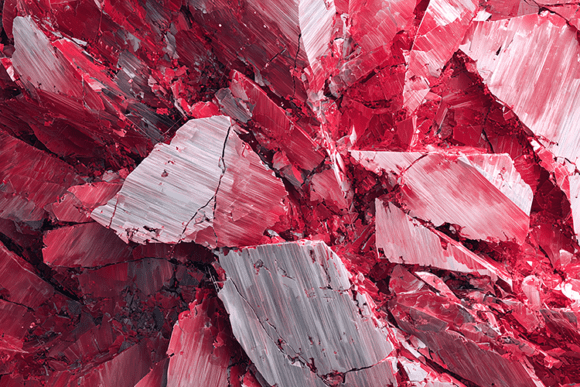
The Red Crystal Shattered Stone Texture is a high-resolution, print-ready image that captures the dramatic essence of a fractured red crystal stone. Measuring 5824 x 3264 pixels, this abstract texture offers sharp geometric fragments and reflective surfaces, making it ideal for a range of creative applications. Its detailed composition allows for both close-up and large-scale use, ensuring clarity and impact across different formats.
What Makes Red Crystal Shattered Stone Texture Unique
This texture stands out due to its combination of sharp edges and reflective qualities. The shattered appearance suggests movement and energy, while the red hue adds a sense of intensity and sophistication. Unlike smooth or organic textures, the fragmented nature of this design introduces a dynamic contrast that can enhance visual storytelling in various projects.
The high-quality JPG format ensures compatibility with most design software and printing processes. Its resolution supports both digital and physical outputs, making it suitable for everything from website backgrounds to commercial prints. This level of detail and versatility makes it a valuable resource for designers, artists, and creators looking for a bold, abstract element.
Comparing Red Crystal Shattered Stone Texture with Similar Options
When considering alternatives, the Red Crystal Shattered Stone Texture differs from other textures in several key ways. For example, traditional stone or marble textures often emphasize natural patterns and subtle variations, whereas this texture leans into geometric fragmentation and sharp contrasts. This distinction makes it more suitable for modern, abstract, or futuristic designs rather than classic or rustic themes.
Compared to abstract digital art or stock photography, the Red Crystal Shattered Stone Texture provides a more structured and repeatable element. While digital art can be highly customizable, it may require more time and skill to produce. Stock images, on the other hand, may lack the specific details needed for high-end or niche applications. The Red Crystal Shattered Stone Texture bridges this gap by offering a ready-to-use, high-quality option that maintains a professional look.
Strengths and Tradeoffs of Using Red Crystal Shattered Stone Texture
One of the main strengths of this texture is its adaptability. It can be used as a background, overlay, or standalone element depending on the project’s needs. Its vibrant red color and intricate details make it effective for drawing attention and creating visual interest. Additionally, the texture’s high resolution ensures that it remains clear even when scaled up, which is essential for print work.
However, there are tradeoffs to consider. The texture’s complexity may not suit all design styles. For instance, minimalist or clean layouts might find the texture too overwhelming. In such cases, simpler or more subdued textures could be a better fit. Additionally, while the texture is versatile, it may require some adjustment to integrate seamlessly into a broader design scheme.
Best Fit Situations for Red Crystal Shattered Stone Texture
This texture is particularly well-suited for luxury or high-end designs where bold visuals are desired. It can enhance posters, book covers, and branding materials by adding a sense of depth and sophistication. In gaming art, the texture can serve as a backdrop for futuristic or fantasy environments, contributing to an immersive experience.
For digital scrapbooking, the texture offers a unique and eye-catching element that can elevate handmade or digital projects. In sublimation and jewelry branding, the reflective surfaces of the texture can add a premium feel to products, making them stand out in competitive markets. Its abstract nature also makes it ideal for modern art projects that aim to convey emotion or symbolism through visual elements.
Limitations and When to Consider Alternatives
While the Red Crystal Shattered Stone Texture has many advantages, it may not be the best choice for every situation. For instance, if a project requires a more neutral or understated aesthetic, this texture could introduce unwanted visual noise. In such cases, textures with softer edges or more muted colors might be preferable.
Additionally, for projects that demand a completely original design, relying solely on this texture could limit creativity. Combining it with other elements, such as gradients, patterns, or custom illustrations, may help achieve a more balanced outcome. Designers should also consider how the texture interacts with other visual components, ensuring it complements rather than competes with them.
Practical Examples and Use Cases
Consider a designer working on a luxury fashion brand’s website. The Red Crystal Shattered Stone Texture could serve as a background for a promotional section, adding a sense of exclusivity and modernity. In contrast, a more traditional fashion brand might opt for a smoother, more elegant texture to align with its overall identity.
In the gaming industry, a developer creating a sci-fi game might use the texture as part of a space station or alien environment. The fragmented look could suggest advanced technology or a dangerous, unstable setting. On the other hand, a puzzle game with a calming theme might benefit from a more serene and cohesive visual style.
Decision Factors for Choosing Red Crystal Shattered Stone Texture
When deciding whether to use the Red Crystal Shattered Stone Texture, several factors should be considered. First, the project’s overall aesthetic and target audience play a significant role. If the goal is to create a striking, modern impression, this texture could be an excellent fit. However, if the design needs to be more subtle or functional, alternative options may be more appropriate.
Another factor is the intended medium. For print work, the texture’s high resolution ensures quality output, but for digital use, considerations around file size and compatibility may arise. Designers should also evaluate how the texture will interact with other elements, such as text, images, or color schemes, to ensure a cohesive final product.